Moroccan Style Intricate Patterns: A Guide to Appreciating and Using Them Correctly
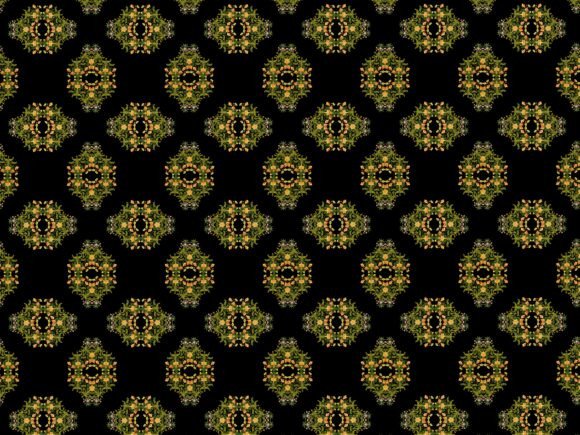
Moroccan style intricate patterns are a hallmark of North African design, known for their mesmerizing complexity, vibrant colors, and cultural richness. These graphics often feature golden swirls, sunny yellow accents, and soft peach hues, elegantly woven with floral motifs and subtle checked patterns. Whether you're a designer, marketer, blogger, or simply someone who appreciates beautiful visuals, understanding how to choose and use these patterns can elevate your work dramatically.
Why Moroccan Patterns Capture the Imagination
The allure of Moroccan style intricate patterns lies in their storytelling nature. Each curve and motif reflects centuries of craftsmanship, blending Islamic art, Berber traditions, and Mediterranean influences. Their versatility makes them ideal for a wide range of applications—from home décor and fashion to branding and digital content. When applied thoughtfully, they can convey sophistication, warmth, and an exotic yet timeless charm.
Aesthetic Appeal and Cultural Significance
Gold, often symbolizing prosperity and divinity, is a dominant color in many Moroccan designs. Sunny yellow brings energy and positivity, while soft peach adds a touch of warmth and elegance. These colors are frequently paired with floral elements like lilies, roses, and palm leaves, which represent growth and beauty. Checked patterns subtly integrated into the background or foreground offer structure without overwhelming the eye, making the overall composition visually balanced.
Common Mistakes When Choosing Moroccan Style Intricate Patterns
Despite their popularity, many people misuse Moroccan patterns by not considering key design principles. Here are some common pitfalls to avoid:
- Overuse: Applying too much pattern can lead to visual clutter. The goal is to create interest, not confusion.
- Ignoring Scale: Large-scale motifs may overpower smaller spaces, while tiny details might get lost on big surfaces.
- Clashing Color Schemes: Vibrant colors need balance. Pairing gold with neon green or blue can disrupt the harmony that makes Moroccan designs so appealing.
- Using Low-Quality Assets: Poor resolution or incorrect proportions can ruin the impact of even the most stunning pattern.
Consequences of These Mistakes
When these errors occur, the final result can be unappealing or ineffective. For example, overusing patterns in a website header may distract users from essential content, lowering engagement. Similarly, using a high-contrast color scheme could make text illegible against a busy background. In print or product design, low-resolution images might appear pixelated, reducing perceived quality and customer satisfaction.
How to Choose the Right Pattern for Your Project
Selecting the perfect Moroccan style intricate pattern starts with understanding your purpose. Are you designing for a blog post, a logo, a room, or a fashion line? Each context requires a different approach.
- Define the Use Case: Determine where the pattern will appear and what message it should support. For instance, a pattern used in a wedding invitation should feel romantic and refined.
- Assess Scalability: Check if the pattern looks good at both large and small sizes. Some details may only shine when printed or displayed in high definition.
- Balance with Simplicity: Pair complex patterns with minimalist layouts to maintain clarity and focus.
Realistic Examples and Better Approaches
Imagine you’re creating a brochure for a luxury Moroccan resort. Instead of covering every inch of the page with detailed patterns, use them selectively—perhaps as a border or background texture. Keep the text clean and centered to ensure readability while still benefiting from the artistic flair.
For digital platforms like websites or social media, opt for simplified versions of Moroccan patterns. High-resolution PNGs or SVG files are ideal for ensuring sharpness on screens. Avoid stretching images; instead, scale them properly to preserve detail.
Where to Source Authentic Moroccan Style Graphics
Not all pattern collections labeled "Moroccan" are created equal. Many generic stock images misrepresent the true essence of Moroccan design. To find authentic, high-quality Moroccan style intricate patterns:
- Look for assets created by artists familiar with Moroccan culture and aesthetics.
- Check licensing terms before downloading or purchasing. Ensure the pattern is suitable for your intended use (commercial, editorial, etc.).
- Opt for vector formats (SVG, EPS) for scalable use in logos, prints, or web headers.
Websites like Adobe Stock, Shutterstock, and specialized Moroccan design studios often provide curated selections. Always preview the pattern in multiple resolutions and contexts to confirm its suitability.
Evaluating Quality and Relevance
Before committing to a pattern, ask yourself:
- Does this design reflect genuine Moroccan craftsmanship?
- Are the colors and motifs appropriate for my target audience and project theme?
- Will the pattern enhance or detract from the main message?
Remember, authenticity matters. A well-crafted Moroccan pattern should evoke the spirit of traditional Moroccan artistry rather than just mimicking its look superficially.
Designing with Moroccan Style Intricate Patterns: Best Practices
To truly harness the power of Moroccan style intricate patterns, consider the following tips:
- Layer Thoughtfully: Combine patterns with solid colors or textures to prevent overwhelming the viewer. For example, place a floral motif over a textured tile background for added depth.
- Use as Accent Elements: Incorporate patterns in smaller areas such as headers, footers, or decorative borders to highlight specific sections.
- Match Typography Carefully: Opt for elegant, serif fonts that complement the ornate nature of the patterns. Avoid overly modern or sans-serif styles unless intentionally contrasting for a bold effect.
Incorporate a sense of rhythm and flow in your layout. Think about how the curves and lines of the pattern interact with other design components. This ensures a cohesive and aesthetically pleasing outcome.
Applications Across Industries
Moroccan style intricate patterns have found their way into various industries:
- Fashion: Used in embroidery, fabric prints, and accessories to add a touch of global luxury.
- Interior Design: Ideal for wall art, textiles, and tiles, especially in bohemian or eclectic décors.
- Graphic Design: Perfect for branding, packaging, and event invitations that seek to stand out with a rich visual identity.
- Digital Media: Can enhance backgrounds for blogs, landing pages, or promotional materials when used sparingly.
Common Misunderstandings About Moroccan Design
One major misunderstanding is that Moroccan patterns are purely ornamental. While they do serve decorative purposes, they also carry deep symbolism. For example, certain floral arrangements are believed to bring protection or good fortune. Understanding this can help creators apply the patterns more respectfully and effectively.
Another misconception is that these patterns are difficult to incorporate into modern designs. With thoughtful adaptation, they can blend seamlessly with contemporary themes. Subtle uses, such as a border in a mobile app UI or a repeating tile in a website footer, can add intrigue without overshadowing functionality.
Respecting Cultural Context
As global audiences embrace Moroccan aesthetics, it's crucial to respect the cultural origins. Avoid trivializing or distorting the original intent behind the motifs. When used authentically, these patterns can resonate deeply and add value to your project’s narrative.
Tools and Techniques for Working with Moroccan Patterns
Whether you're a beginner or a seasoned designer, having the right tools can make all the difference. Software like Adobe Illustrator or Photoshop allows for precise manipulation of patterns, enabling you to adjust colors, scale elements, and layer them effectively.
Here are some techniques to explore:
- Pattern Swatches: Create custom swatches in design software for quick application across multiple elements.
- Transparency Layers: Adjust opacity to integrate the pattern without making it too dominant.
- Color Grading: Modify the palette to better suit your brand or project tone. Convert golds to muted tones for a more subdued look, or amplify yellows for vibrancy.
Experimentation is key. Try combining Moroccan patterns with other global styles—like Scandinavian minimalism or Japanese shibuya—to craft unique, cross-cultural designs.
Final Considerations Before Implementation
Before applying any Moroccan style intricate pattern to your project, take a step back and evaluate:
- Is the pattern culturally respectful and accurately represented?
- Does it align with the brand identity or project goals?
- Have I tested it in different environments and scales?
By asking these questions, you’ll avoid costly design missteps and ensure your use of Moroccan patterns is both effective and meaningful. Remember, the best designs are those that balance creativity with intention.
Conclusion: Elevate Your Work with Intentional Design
Moroccan style intricate patterns offer a unique opportunity to infuse your projects with artful elegance and finesse. However, success depends on mindful application, quality sourcing, and cultural awareness. By avoiding common mistakes and focusing on practical integration, you can transform your designs from ordinary to extraordinary.
Next time you're drawn to the beauty of golden swirls, sunny yellows, and soft peaches interwoven with floral motifs, take a moment to think through how these elements can serve your design objectives. Done right, Moroccan patterns can become a powerful tool in your creative arsenal.