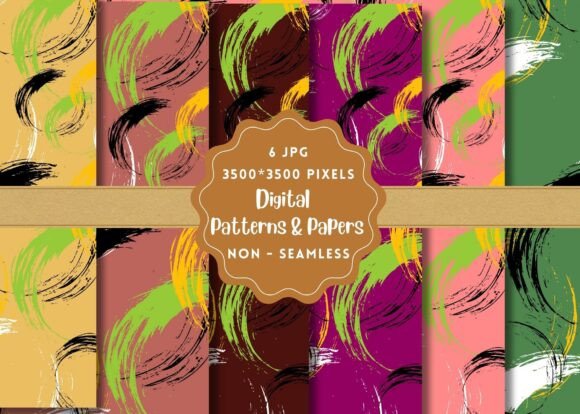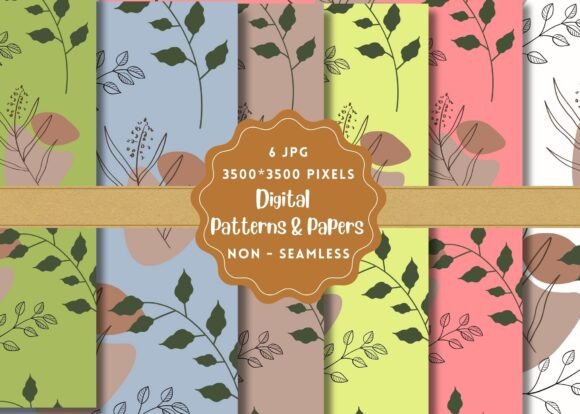
Plants Digital Paper Patterns: A Versatile Resource for Creative Projects
In the evolving world of digital design and print-on-demand ventures, high-quality visual assets are more important than ever. One such resource that has gained traction among creators is Plants Digital Paper Patterns. These downloadable digital pattern papers offer a unique blend of artistic appeal and technical precision, making them suitable for both personal and professional use. Designed with clarity and flexibility in mind, they provide an accessible solution for those looking to incorporate botanical elements into their creative work without the need for complex software or custom illustration.
Understanding Plants Digital Paper Patterns
Plants Digital Paper Patterns refer to a collection of pre-designed paper patterns featuring plant-based motifs. These are typically provided as high-resolution JPG files, optimized for seamless tiling and reuse. Each pattern is crafted to maintain visual continuity when repeated, which is essential for backgrounds, textiles, and other applications where coverage matters. The 3500x3500 pixel resolution ensures sharp detail whether used digitally or printed physically, while the 300 DPI standard supports professional-grade printing on various media.
What sets these patterns apart is their ability to cater to multiple industries—from fashion and home décor to stationery and graphic design. They’re ideal for anyone needing repeatable, scalable designs that can be easily applied across different platforms and products.
Key Features and Benefits
The core strengths of Plants Digital Paper Patterns lie in their quality and adaptability. Here’s what makes them stand out:
- High-Resolution Format: At 3500x3500 pixels and 300 DPI, these files deliver exceptional clarity for both screen and print use.
- Seamless Tiling: The patterns are designed to repeat seamlessly, eliminating visible edges or breaks when scaled up.
- 6 Downloadable JPG Files: Users receive a variety of options, allowing for greater creative flexibility and customization.
- Multi-Purpose Use: From greeting cards to tote bags, wall art to gift wrapping, these patterns serve a wide range of applications.
- Ready-to-Use: No need for additional editing—simply download and apply directly to your project or product design.
These characteristics make the patterns particularly valuable for professionals who require consistent, reliable design elements across their workflow. Unlike generic stock images, these patterns are structured to avoid distortion and retain aesthetic integrity at any scale.
Real-World Applications and Performance
When evaluating the practicality of Plants Digital Paper Patterns, it’s useful to consider how they perform in real-world scenarios. For instance, a small business owner creating custom notebooks for resale will appreciate the clean lines and natural color palettes that give the products a premium feel. Similarly, an online marketer designing social media templates or blog headers can benefit from the versatility of using these patterns as subtle textures or bold focal points.
Another example is a print-on-demand entrepreneur working on custom posters or canvas prints. The high-resolution JPG format ensures that the final printed output maintains its crispness and vibrancy. Because the patterns are delivered in a flat file format, they integrate smoothly into most design tools like Adobe Photoshop, Illustrator, Canva, and even basic image editors, reducing the learning curve for users unfamiliar with advanced design techniques.
Freelancers and educators also find value in these patterns. Teachers preparing science-themed classroom materials can use them to create visually engaging handouts or bulletin board borders. Meanwhile, freelance designers often rely on such resources to streamline client projects without compromising on quality or originality.
Quality and Design Consistency
One of the most notable aspects of Plants Digital Paper Patterns is their attention to detail. The botanical motifs are rendered with care, ensuring that each leaf, petal, and vine flows naturally within the design. This consistency helps maintain a cohesive look across all uses, especially in branding or packaging contexts where visual harmony is crucial.
However, the effectiveness of the patterns depends on the specific needs of the user. While they may not replace fully customizable vector graphics for intricate or layered designs, they offer a solid foundation for many common design tasks. Their flat, layered-free nature means they’re best suited for simpler applications where scalability and repetition are key factors.
Who Should Consider Using Plants Digital Paper Patterns?
Certain groups of users will derive the most benefit from Plants Digital Paper Patterns. Here are some examples:
- Graphic Designers: Those working on digital mockups, website headers, or app interfaces can use these patterns to add texture or visual interest without overcomplicating the layout.
- Entrepreneurs in Print-on-Demand: Individuals selling custom-printed items via Etsy, Amazon, or Shopify will find these patterns useful for quickly producing attractive product designs.
- Stationery Creators: Whether designing planners, journals, or greeting cards, these patterns can enhance the overall look while maintaining professionalism.
- Home Décor Enthusiasts: People interested in DIY wall art, fabric printing, or room accents can leverage these patterns to bring a natural touch to their spaces.
- Bloggers and Publishers: Incorporating plant-based patterns into blog layouts or eBook covers adds a fresh and organic aesthetic.
For hobbyists and creatives without access to design software, these patterns are a boon. They allow for experimentation with aesthetics without requiring advanced skills. On the flip side, professionals who need highly adjustable or transparent background elements might find the JPG-only delivery limiting compared to vector formats or PNGs with alpha channels.
Practical Recommendations for Use
To maximize the potential of Plants Digital Paper Patterns, consider the following tips:
- Test on Multiple Surfaces: Before mass production, try applying the pattern to different substrates (e.g., cotton vs. synthetic fabric) to ensure compatibility and visual appeal.
- Combine with Other Elements: Layer the patterns with text, logos, or other graphics to create unique designs tailored to your brand or message.
- Optimize for Platform Use: If you're using them for digital content, compress the files slightly to reduce load times without sacrificing quality.
- Check Color Accuracy: Especially if printing, confirm that the colors render consistently across your chosen printer and paper type.
- Consider Licensing Terms: Make sure the usage rights align with your intended purpose—whether commercial, editorial, or personal.
These recommendations help ensure that the patterns are not just aesthetically pleasing but also functionally sound in their application. Thoughtful integration can elevate the perceived value of your product or design significantly.
Possible Limitations and Alternatives
While Plants Digital Paper Patterns are a strong asset in many workflows, there are some limitations worth noting. Since they come in a fixed format (JPG), they cannot be edited beyond basic resizing or layering. This restricts their use in situations where individual elements of the pattern need to be manipulated or repositioned. Additionally, the lack of transparency means they may not be ideal for overlay effects unless used creatively through masking or blending techniques.
Users seeking full control over their design might prefer vector-based pattern packs or editable AI/PSD files. However, for those prioritizing ease of use and immediate results, the JPG format offers a streamlined experience with minimal setup required.
Long-Term Value and Investment
Investing in Plants Digital Paper Patterns can yield long-term returns, particularly for individuals engaged in recurring design projects. Over time, the cost per use decreases as the same pattern can be applied to multiple products, campaigns, or publications. Their timeless botanical theme also contributes to longevity; plant-based designs remain popular across trends and seasons, offering sustained relevance.
Additionally, the high-resolution files future-proof your designs against changes in display technology or print standards. As devices and printers continue to evolve, having assets that meet current quality benchmarks ensures your work remains competitive and visually appealing.
Conclusion and Final Thoughts
Plants Digital Paper Patterns represent a thoughtful and practical addition to the toolkit of modern creators. Their combination of high resolution, seamless tiling, and broad usability makes them suitable for a diverse array of projects. Whether you're a seasoned designer or someone just starting out, these patterns offer an efficient way to infuse natural beauty into your work without the overhead of custom illustration or complex post-processing.
That said, it’s important to evaluate how well these patterns align with your specific needs. If your workflow requires frequent edits, transparency layers, or dynamic scaling beyond basic dimensions, you may want to explore complementary digital design resources. But for straightforward, elegant, and ready-to-use plant-inspired visuals, Plants Digital Paper Patterns deliver a compelling balance of form and function.