Seamless Spider Seamless Patterns: A Practical Guide to Enhancing Creative Workflows
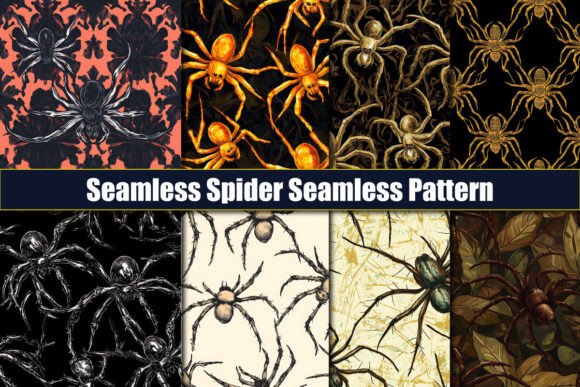
Seamless Spider Seamless Patterns offer a versatile and high-quality solution for designers, artists, and creators who need consistent, repeatable pattern designs. Whether you're working on digital or print projects, these patterns can serve as the backbone of your visual elements, providing a foundation that's both professional and aesthetically pleasing.
Understanding the Role of Seamless Patterns in Design
In creative workflows, seamless patterns are often used to fill backgrounds, create textures, or add subtle design details without distracting from the main content. They are especially useful when you want to maintain a cohesive look across various materials such as websites, invitations, stationery, and promotional items.
The Seamless Spider collection is specifically designed to meet the needs of professionals and hobbyists alike. With 25 HD images provided in JPEG format at 300 DPI and dimensions of 3600px x 3600px, these patterns are not only visually rich but also highly adaptable. Their large size ensures they can be easily resized without losing quality, making them suitable for a wide range of applications.
Preparation and Planning
Before integrating Seamless Spider Seamless Patterns into your project, it's important to plan how they will fit within your overall design strategy. Consider the following factors:
- Theme and Tone: Choose patterns that align with the message or mood of your project. For instance, geometric patterns may suit modern branding, while floral ones might work better for wedding invites or nature-related themes.
- Color Matching: Ensure the colors in the pattern complement your existing palette. Many design tools allow you to adjust hue and saturation to match your brand’s identity.
- Application Type: Think about where the pattern will be used—online or offline—and how it will interact with text, images, and other design components.
By considering these aspects early on, you’ll save time during execution and avoid last-minute changes that could disrupt your workflow.
Integration Into Projects
Seamless Spider Seamless Patterns can be incorporated at different stages of a project. Here’s how they typically fit into common workflows:
Before Project Launch
During the planning phase, use these patterns to visualize the final output. For example, if you’re designing a website layout, applying a background pattern early can help you gauge how content will sit against it. This step allows you to make informed decisions before moving into development or production.
During Execution
Once you’ve selected a pattern, apply it using your preferred design software like Adobe Photoshop, Illustrator, or even free tools like Canva or GIMP. The high resolution and large canvas size ensure flexibility—whether you're tiling the pattern for a blog post or scaling it down for a hang tag, the result remains sharp and clean.
Here’s a practical tip: always duplicate the pattern layer before applying effects such as blending modes or transparency. This keeps your original file intact and gives you more control over adjustments.
After Completion
Post-project, these patterns can be archived for future reuse. Organize them by category, color, or project type to streamline access later. If you're managing multiple creative assets, consider storing them in a centralized digital asset management system or folder structure that mirrors your workflow phases.
Use Cases Across Industries
Seamless Spider Seamless Patterns are not limited to one industry or medium. Their adaptability makes them valuable in several areas:
- Graphic Design: Use them for backgrounds, overlays, or texture layers in posters, brochures, and packaging.
- Web and Blog Development: Add depth to blog headers, sidebar widgets, or landing page sections without overwhelming users.
- Stationery and Invitations: Apply delicate patterns to thank-you cards, business cards, or event invites for an elegant touch.
- Interior Decor and Craft Projects: Incorporate them into DIY home decor, scrapbooking, or decoupage for unique visual appeal.
- Marketing Materials: Create branded wrapping paper, product tags, or promotional banners that stand out while maintaining consistency.
For educators and bloggers, these patterns can enhance presentation slides, worksheet designs, or website templates. Entrepreneurs and small business owners benefit from their ability to unify branding across different touchpoints, including social media graphics and email newsletters.
Workflow Optimization Tips
To get the most out of Seamless Spider Seamless Patterns, consider the following best practices:
- Layer Smartly: When using patterns in layered designs, keep them on separate layers so you can toggle visibility or adjust opacity independently.
- Test Print Outputs: Always test how the pattern looks in print, especially if you're using it for physical products like cards or packaging.
- Maintain Consistency: Use the same pattern style across related materials to build brand recognition and visual harmony.
- Stay Organized: Keep each pattern file clearly labeled and stored in a logical directory to prevent confusion during large-scale projects.
Collaboration and Compatibility
When working in teams or outsourcing parts of a project, clear communication is key. Share the pattern files in a compatible format and explain their intended use. Since these are provided in JPEG format, they work well with most design platforms and print services. However, if you need to modify the pattern extensively (like adding vector elements), consider converting it to a higher compatibility format like PNG or TIFF for better layer support.
Additionally, when using these patterns in web design, ensure they don’t conflict with accessibility standards. Test contrast levels and readability to confirm that text placed over the pattern remains legible and meets WCAG guidelines.
Quality Control and Long-Term Use
High-resolution images are essential for professional results, and Seamless Spider Seamless Patterns deliver exactly that. Before finalizing any project, preview the pattern in context—zoom in on printed materials or view it on different screen sizes online—to verify its quality and effectiveness.
For long-term use, store the original files securely and back them up regularly. If you frequently use certain patterns, consider creating a personal library or template set for quick access. This approach supports efficiency and reduces repetitive tasks, allowing you to focus more on creativity and less on setup.
Real-World Examples
Let’s explore a few real-world scenarios where Seamless Spider Seamless Patterns have been successfully applied:
Example 1: Branding for a Stationery Line
A boutique stationery company needed a consistent background for all product lines. By selecting a neutral tone pattern from the collection, they were able to maintain visual cohesion across note cards, calendars, and packaging. The pattern was subtly adjusted in brightness and contrast to match different product types, yet still retained a unified feel.
Example 2: Website Redesign for a Lifestyle Blog
A lifestyle blogger wanted to refresh her site with a more modern aesthetic. She used a geometric Seamless Spider pattern for section dividers and hero backgrounds. The pattern added interest without overpowering the minimalist design, resulting in a clean and engaging user experience.
Example 3: Educational Resource Kit
An educator created a series of downloadable worksheets for students. To make the resources visually appealing and easy to distinguish, she applied different Seamless Spider patterns to each subject area. The result was a set of organized, attractive materials that enhanced student engagement and professionalism.
Conclusion
Seamless Spider Seamless Patterns are more than just decorative elements—they are strategic tools that can elevate the quality and consistency of your creative outputs. Whether you're an entrepreneur building a brand, a designer crafting digital experiences, or a hobbyist working on personal projects, these patterns provide the flexibility and reliability needed to bring your vision to life effectively.
With thoughtful planning, smart integration, and attention to detail, you can leverage these patterns to improve usability, aesthetics, and overall project outcomes. As with any resource, the key lies in understanding how they fit into your specific process and using them in a way that enhances your work rather than complicates it.