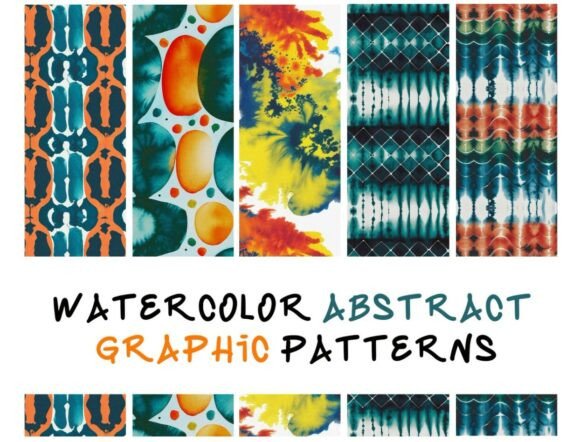
Watercolor Abstract Patterns: A Creative Tool for Designers
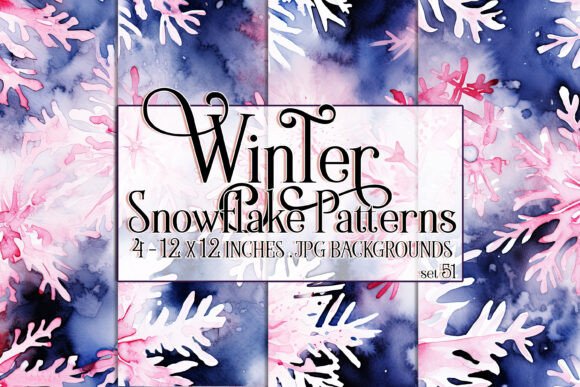
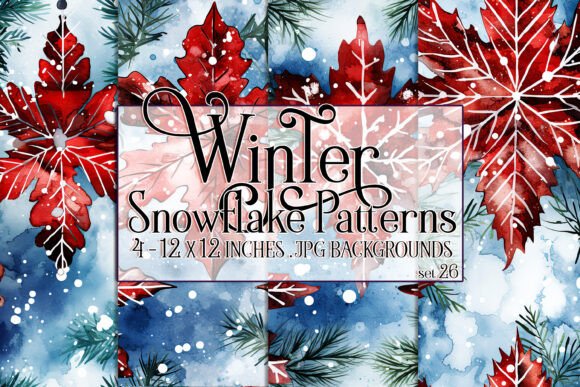
Watercolor abstract patterns have become a staple in the design world, offering a unique blend of organic beauty and artistic versatility. These patterns are characterized by their soft, fluid textures and unpredictable color blends, which mimic the hand-painted style of traditional watercolor techniques. With the rise of digital art and high-resolution printing, seamless watercolor abstract patterns — particularly those in 5 JPG formats with dimensions of 6000×6000 px — provide designers, entrepreneurs, educators, and hobbyists with powerful tools to elevate their visual projects.
The Artistic Appeal of Watercolor Abstracts
One of the most compelling aspects of watercolor abstract patterns is their ability to evoke emotion while maintaining a sense of sophistication. Unlike rigid geometric designs or overly structured illustrations, these patterns offer an element of surprise and natural variation. The soft edges and translucent layers of watercolor give them a dreamy, ethereal quality that can be both calming and captivating.
These patterns often feature a combination of shapes, lines, and color gradients that suggest movement and flow. This makes them ideal for backgrounds, overlays, and texture elements in graphic design. Their abstract nature allows them to adapt to various themes and aesthetics, from modern minimalism to bohemian maximalism.
Key Characteristics of High-Quality Watercolor Patterns
- Seamless tiling: Ensures that the pattern can be repeated without visible breaks or overlaps.
- High resolution (6000×6000 px): Makes them suitable for large-scale prints and detailed digital work.
- Color variety: Offers flexibility for use in different branding and design contexts.
- Organic feel: Mimics hand-painted textures, adding warmth and authenticity to digital creations.
- Layered depth: Allows for creative blending and layering in software like Photoshop or Illustrator.
Practical Applications Across Industries
The uses for watercolor abstract patterns extend far beyond personal art projects. In fact, they’re increasingly being leveraged in professional settings where aesthetics play a crucial role in user experience and brand identity.
Graphic Design and Branding
Designers working on branding materials — such as websites, brochures, packaging, or social media assets — often turn to watercolor patterns to create a softer, more approachable look. For example, a wellness company might use a subtle watercolor pattern in its website background to convey serenity and natural harmony. Similarly, a fashion brand could incorporate these patterns into product displays to add a touch of elegance and originality.
Interior and Product Design
In interior design, watercolor abstract patterns can serve as wallpaper textures, fabric prints, or wall art. Their non-repetitive, flowing nature makes them perfect for spaces that aim to inspire creativity or relaxation. Product designers also find value in using them for items like phone cases, mugs, or greeting cards, especially when targeting niche markets like eco-conscious consumers or art lovers.
Educational and Academic Materials
Teachers and educational content creators can utilize watercolor patterns to make learning materials more visually engaging. Whether it's designing a presentation for students or creating printable worksheets, these patterns help break up monotony and encourage focus. They’re especially effective in subjects like art, literature, and environmental science where a warm, inviting aesthetic is beneficial.
Digital Marketing and Web Development
For marketers and web developers, integrating watercolor seamless patterns can enhance the visual appeal of landing pages, email templates, or blog headers. A clean, abstract watercolor background can guide attention toward key content areas without overwhelming the viewer. It’s also common to see these patterns used in app interfaces or mobile banners to add personality and reduce visual fatigue.
Why Choose 6000×6000 px Watercolor Patterns?
When selecting a watercolor pattern, resolution is a key factor. At 6000×6000 pixels, these files offer exceptional clarity and detail, making them suitable for both print and digital use. This size ensures that even when scaled down for smaller screens or printed at larger sizes, the pattern remains crisp and visually appealing.
Such high-resolution images are particularly valuable for:
- Printing large posters or murals without loss of quality.
- Creating scalable digital graphics for responsive web design.
- Ensuring sharpness in high-quality magazine spreads or book covers.
- Allowing for zooming in on details during presentations or client reviews.
Choosing the Right Pattern for Your Project
With so many options available, choosing the right watercolor pattern can seem daunting. Here are some practical tips to consider:
- Match the tone: Consider whether your project needs something bold or subdued. Some patterns have vibrant colors, while others are more pastel or monochrome.
- Test the scale: Before finalizing a pattern, try applying it to your intended surface or layout to ensure it complements other elements.
- Check seamlessness: Zoom in to confirm that the pattern tiles smoothly without noticeable gaps or distortions.
- Use layered versions: If you need to customize the pattern further, opt for layered files that allow for easy adjustments.
Real-World Use Cases and Examples
Let’s explore how real users are putting watercolor abstract patterns to work:
- Freelance Bloggers: Many lifestyle and travel bloggers use watercolor patterns in their newsletter templates or blog headers to stand out and create a cohesive theme.
- Entrepreneurs: Startups in creative industries often choose watercolor patterns for their packaging or promotional materials to differentiate themselves in crowded markets.
- Event Planners: Invitations, signage, and décor for weddings, art shows, or boutique events benefit from the elegant and artistic flair of watercolor designs.
- Online Course Creators: Educators who sell courses online often apply these patterns to their course thumbnails or welcome slides to create a welcoming and inspiring first impression.
Best Practices for Implementation
To get the most out of your watercolor patterns, follow these best practices:
- Use them as a base layer behind text or icons to avoid competing for attention.
- Experiment with opacity settings to blend the pattern subtly into your design.
- Pair them with minimalist layouts to highlight the pattern’s beauty without clutter.
- Consider the color palette — some patterns may clash with your primary brand colors if not adjusted properly.
- Always credit the source or purchase a commercial license if needed, especially for business use.
Enhancing User Experience and Engagement
Visual consistency plays a big role in user engagement. When used thoughtfully, watercolor abstract patterns can improve the overall user experience by:
- Adding a sense of uniqueness and craftsmanship to digital products.
- Creating a soothing environment that encourages longer time spent on a page.
- Helping establish a strong brand identity through consistent visual motifs.
- Making static or flat designs appear more dynamic and alive.
For instance, a meditation app might use a watercolor pattern in the background of its home screen to reinforce a calm, peaceful atmosphere. Likewise, a luxury skincare brand could integrate these patterns into product packaging to communicate natural ingredients and artisanal quality.
Where to Find and How to Use Them
If you're looking to access watercolor seamless patterns, platforms like Envato Elements, Shutterstock, and Adobe Stock offer curated collections of high-resolution designs. Always verify the licensing terms before downloading, especially if you plan to use them commercially.
Once downloaded, you can implement these patterns in several ways:
- As a repeating background in Canva or Figma.
- As a texture overlay in Photoshop or Procreate.
- As part of a layered design for print materials.
- As a subtle accent in PowerPoint or Keynote presentations.
Conclusion: A Versatile Resource for Modern Creativity
Watercolor abstract patterns are more than just decorative elements; they’re functional, adaptable, and deeply expressive. Whether you're a marketer trying to stand out, a designer crafting a new portfolio, or an educator aiming to make your materials more engaging, these patterns offer a reliable way to infuse creativity into your work. Their high resolution and seamless format make them a go-to choice for professionals who demand both beauty and precision.
By understanding the characteristics and applications of these patterns, you can unlock new possibilities in your design workflow. So next time you're looking for a fresh way to present your ideas or brand, consider reaching for a watercolor seamless pattern — it might just be the subtle enhancement your project needs.