Watercolor Patchwork Floral Patterns: A Versatile Design Resource for Creative Projects
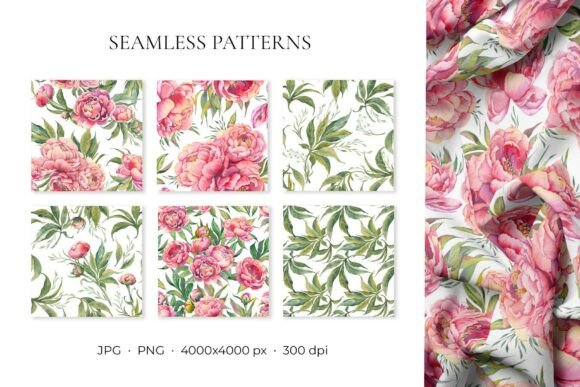
Watercolor Patchwork Floral Patterns have become a popular choice among crafters, designers, and artists due to their unique blend of softness, texture, and intricate design. These patterns combine the delicate, translucent quality of watercolor with the charming randomness of patchwork arrangements, resulting in an aesthetic that feels both hand-painted and meticulously curated. This style is particularly well-suited for projects that require a personal touch or a vintage-inspired look, making it ideal for gift wrapping, greeting cards, invitations, tumbler wraps, junk journal backgrounds, wall art, and scrapbooking.
What Makes Watercolor Patchwork Floral Patterns Unique?
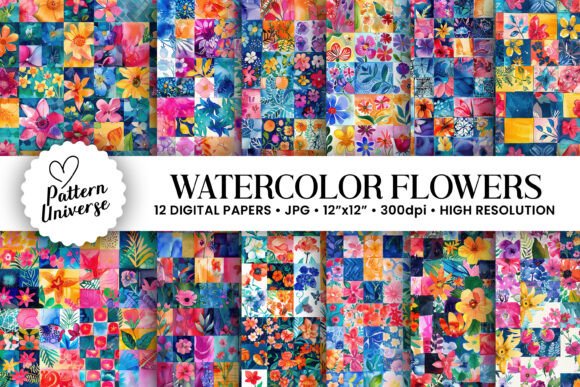
The hallmark of Watercolor Patchwork Floral Patterns lies in their layered, organic appearance. Unlike solid floral prints, these designs feature overlapping brush strokes, subtle color variations, and intentional irregularities that mimic the imperfections of real watercolor painting. The patchwork element adds visual interest by arranging different floral motifs and elements in a collage-like format, often with varying scales and orientations to create depth and movement.
This combination results in a pattern that is both soothing and dynamic. It can evoke a sense of nostalgia while still feeling modern and adaptable. The high-resolution nature of digital files—often at 300dpi and sized 3600 x 3600 pixels (or 12” x 12”)—ensures that the fine details remain intact whether printed on paper or applied to fabric, making them suitable for a wide range of media and applications.
Use Cases and Project Ideas
One of the key strengths of Watercolor Patchwork Floral Seamless Patterns is their versatility. Here are some common use cases where they shine:
- Gift Wrapping: Their elegant yet casual look makes them perfect for creating custom gift wrap that stands out without being overly formal.
- Greeting Cards: Ideal for adding a decorative background or border, especially for handmade cards that aim for a whimsical or romantic feel.
- Invitations: Whether for weddings, baby showers, or birthday parties, these patterns bring a soft sophistication to event invites.
- Tumbler Wraps: The seamless design ensures no visible edges when wrapped around cylindrical objects like tumblers or mugs.
- Junk Journal Backgrounds: Artists who create mixed-media journals appreciate the textural richness and subtle imperfection that aligns with the handmade junk journal style.
- Wall Art: Used as a repeating background or as part of a larger composition, these patterns add warmth and personality to home decor.
- Scrapbook Pages: The gentle hues and varied florals offer a cohesive yet customizable backdrop for photos and memorabilia.
With 12 digital papers included in a single zip file, creators have ample options to choose from, each offering a slightly different color palette and arrangement. This variety allows for easy customization based on the mood or theme of the project.
Comparing Watercolor Patchwork Florals with Other Pattern Styles
When evaluating design resources, it's important to consider how Watercolor Patchwork Floral Patterns stack up against other popular styles:
1. Traditional Floral Prints
Traditional floral patterns typically feature bold outlines and saturated colors, which can give a more structured and commercial feel. In contrast, Watercolor Patchwork Floral Patterns provide a softer, more artistic alternative. They are better suited for those seeking a less rigid, more naturalistic aesthetic rather than a classic, repeatable print.
2. Geometric and Modern Patterns
Geometric and modern patterns often emphasize symmetry, repetition, and minimalism. While these styles work well for contemporary designs, they may lack the warmth and individuality found in Watercolor Patchwork Floral Patterns. For projects that aim to convey a sense of elegance or femininity, the watercolor approach offers a more inviting and expressive option.
3. Hand-Drawn Illustrations
Hand-drawn illustrations can be highly personalized but are time-consuming to produce. AI-generated Watercolor Patchwork Floral Patterns replicate this look efficiently, providing a balance between authenticity and convenience. They are not replacements for original artwork but serve as excellent starting points or complements for creative professionals looking to streamline their workflow.
4. Digital Stickers and Overlays
Digital stickers and overlays are commonly used in scrapbooking and digital art. However, they tend to be non-repeating and limited in application. The seamless nature of Watercolor Patchwork Floral Patterns means they can be tiled without interruption, making them more flexible for larger surfaces or repeated use across multiple pages or items.
Strengths and Tradeoffs
There are several advantages to using Watercolor Patchwork Floral Patterns in your creative work:
- High Customization: With multiple designs in one package, users can mix and match to suit their specific needs or preferences.
- Time Efficiency: These AI-generated patterns eliminate the need for manually painting or designing repetitive elements, allowing creators to focus on other aspects of their projects.
- Consistency in Quality: Each pattern is created at a uniform resolution and size, ensuring professional results across all uses.
- Cost-Effectiveness: Compared to hiring an artist or purchasing physical materials, digital downloads offer an affordable way to access premium-quality designs.
However, there are also a few tradeoffs to consider:
- Limited Uniqueness: While AI generation introduces variation, these patterns may not achieve the same level of originality as completely handcrafted pieces.
- Not Suitable for All Styles: The soft, fluid nature of watercolor may not align with minimalist, industrial, or edgy design aesthetics.
- Learning Curve: New users may need to familiarize themselves with digital tools and printing settings to get the best results.
Best-Fit Situations and Limitations
Watercolor Patchwork Floral Patterns are most effective in the following scenarios:
- Projects requiring a warm, inviting, or romantic atmosphere.
- Applications where a seamless, repeatable pattern is needed without visible seams.
- Crafters who prefer a semi-handmade look but want to avoid the time commitment of traditional watercolor painting.
- Designers needing a versatile resource for multiple product types, such as stationery, packaging, or textiles.
On the flip side, these patterns may not be the best fit for:
- Commercial products where uniqueness is paramount and mass-produced looks are discouraged.
- Technical or architectural designs that rely on precision and geometric accuracy.
- Users who desire fully customizable, editable vector graphics rather than pre-made raster images.
Decision Factors for Choosing This Style
Selecting the right pattern style depends on several factors:
- Project Purpose: Consider the function of the item you're designing. Will it be viewed closely or from afar? Does it need to reflect a specific emotion or brand identity?
- Target Audience: Who will be using or seeing the final product? Younger audiences might prefer bolder, more vibrant styles, whereas older or more refined tastes could lean toward subtlety and texture.
- Printing Medium: Some materials absorb ink differently. Watercolor patterns may appear lighter on certain papers or darker on others, so testing swatches is recommended before full-scale printing.
- Budget and Time Constraints: If you're working under tight deadlines or budget limits, AI-generated patterns offer a practical solution without compromising on visual appeal.
For example, if you’re preparing a set of wedding invitations, the ethereal beauty of Watercolor Patchwork Floral Patterns could enhance the overall romantic tone. Conversely, if you're designing a tech startup’s branding materials, you might opt for something more modern and clean-cut.
How to Use These Patterns Effectively
To maximize the potential of these AI-generated Watercolor Patchwork Floral Seamless Patterns, consider the following tips:
- Layer Them Thoughtfully: Combine different patterns in your design software to build dimension and complexity. Adjust opacity or overlay blending modes for a more nuanced effect.
- Pair with Complementary Elements: Use neutral fonts, pastel accents, or handwritten notes to keep the design balanced and readable.
- Test Print Before Committing: Always do a test run on your intended material to ensure the colors and scale look as expected.
- Edit for Consistency: Crop or resize the patterns as needed to maintain a cohesive layout, especially when using them across multiple pages or items.
These patterns are also great for experimenting with color schemes. Since they come in various palettes, you can easily adapt them to seasonal themes, holidays, or even personal color preferences.
Alternatives Worth Considering
If Watercolor Patchwork Floral Patterns don’t meet your current needs, here are a few alternatives to explore:
- Botanical Vector Patterns: These are scalable and editable, making them ideal for logos, embroidery, or fabric printing.
- Minimalist Line Art Florals: Perfect for those who prefer a more understated or modern aesthetic.
- Abstract Watercolor Textures: For projects where floral motifs aren't necessary but a watercolor feel is desired.
- Custom Painted Backgrounds: For ultra-personalized work, commissioning a painter can yield one-of-a-kind results, though at higher cost and effort.
Evaluating these options helps ensure you select the most appropriate resource for your project goals, skill level, and audience expectations.
Conclusion
Watercolor Patchwork Floral Patterns represent a thoughtful middle ground between realism and abstraction, offering a rich, textured aesthetic that works across many creative domains. Their AI-generated origin provides efficiency without sacrificing charm, and their seamless format ensures usability in a broad array of applications. When compared to other pattern styles, they stand out for their ability to infuse warmth and character into both digital and physical crafts.
Whether you're a seasoned designer or a hobbyist looking to elevate your DIY projects, these patterns can be a valuable addition to your toolkit. By understanding their strengths, limitations, and best-fit situations, you can make a more informed decision about when to use them—and when to reach for another style instead.