Textures and Patterns of Wavy Seamless: A Practical Overview
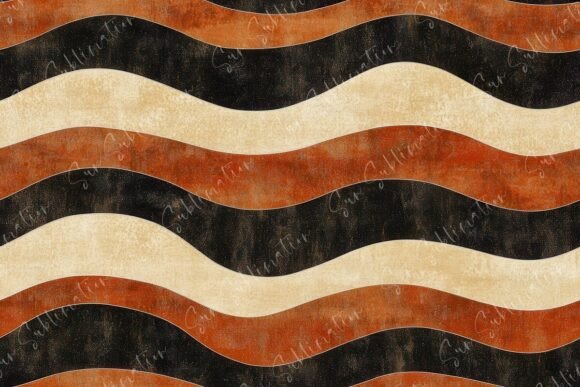
Textures and Patterns of Wavy Seamless is a digital design resource that features repeating, fluid wavy lines in earthy tones, evoking a vintage aesthetic. This type of pattern is commonly used in graphic design, web development, and print media to add visual interest without overwhelming the composition. As a seamless texture, it can be tiled infinitely, making it highly versatile for various applications.
What Is Textures and Patterns of Wavy Seamless?
Textures and Patterns of Wavy Seamless is a high-resolution JPEG file (4500 x 3000 pixels, 300 dpi) designed for immediate digital use. It contains textured wavy lines that blend naturally when repeated, allowing for a continuous background or overlay. The earthy color palette contributes to its retro and organic feel, which can enhance designs aiming for a nostalgic or muted look.
Why You Might Be Interested
If you're working on a project that requires a subtle yet distinctive background, this pattern could be an excellent choice. Designers often seek such resources to maintain visual consistency across large areas without visible seams or repetition. Its vintage style may appeal to those creating themes related to nature, sustainability, or classic aesthetics.
This product is particularly useful for individuals involved in:
- Graphic design – For backgrounds, textures, or overlays in posters, brochures, and branding materials.
- Web design – To create unique website backgrounds or section dividers with minimal disruption to content readability.
- Digital art – Artists looking to incorporate layered textures into their work for added depth and character.
- Print projects – Such as packaging, book covers, or fabric prints where a tactile visual element is desired.
Benefits and Tradeoffs
The primary benefit of using Textures and Patterns of Wavy Seamless is its versatility. Since it’s a seamless pattern, it eliminates the need for complex tiling or adjustments when applied over larger surfaces. The earthy colors also provide a neutral base that complements many other design elements, from text to images.
However, there are some tradeoffs to consider. The vintage-inspired design may not suit modern or minimalist aesthetics. Additionally, because it's a fixed color scheme, users who require customization might find it limiting unless they’re willing to edit the image themselves using photo editing software like Photoshop or GIMP.
Another consideration is the potential variation in how colors appear on different screens. While the file is created with accurate color profiles, monitor settings can affect perception. This means what looks good on your screen may not match exactly when printed, especially if you don’t calibrate your display or use professional printing services.
When It Fits Best
Textures and Patterns of Wavy Seamless is well-suited for projects where a soft, flowing texture enhances the overall mood. For example, it works beautifully in:
- Portfolio websites with a handcrafted or artisanal theme.
- Eco-friendly branding, where natural elements are emphasized through visuals.
- Invitations or event designs seeking a warm, elegant appearance.
- Wallpaper or UI backgrounds that prioritize subtlety over boldness.
In these contexts, the pattern adds a layer of sophistication and continuity that supports the intended atmosphere without drawing attention away from key content or brand messaging.
When Alternatives May Be Better
While this pattern offers many advantages, there are scenarios where alternatives might be more appropriate. If your project requires a high-contrast or vibrant background, the muted tones of this texture may not stand out enough. In such cases, choosing a pattern with brighter hues or geometric shapes could better meet your needs.
Additionally, if you plan to use the pattern across multiple platforms—especially mobile devices—you should evaluate whether the wavy lines interfere with legibility or user experience. Highly detailed or intricate patterns can sometimes reduce clarity, so simpler textures or solid colors might be preferable for certain interfaces.
Designers who need fully editable assets, such as vector files (.SVG or .EPS), may also find this JPEG-only option restrictive. Vector formats allow for scaling and recoloring without loss of quality, which can be crucial for logos or scalable graphics.
Practical Considerations for Use
Before purchasing Textures and Patterns of Wavy Seamless, ask yourself a few key questions:
- Does the vintage aesthetic align with my project’s overall style and target audience?
- Will the pattern complement rather than compete with other visual elements in the design?
- Am I prepared to handle potential color variations between screen and print?
- Do I need a format that allows for easy modification, or is a ready-to-use JPEG sufficient for my workflow?
These reflections help ensure that the texture will serve your purpose effectively. Once purchased, the file is available for immediate download in a zipped format. Make sure you have a suitable unzipping tool and adequate storage space before proceeding.
Expectations and Workflow Integration
After downloading the file, you can integrate it into your design process right away. It’s important to note that since it’s a raster image, resizing beyond the original dimensions may result in a loss of quality. For maximum flexibility, consider using it at its native size or pairing it with vector-based elements.
Also, remember that while the file is labeled “seamless,” achieving perfect tiling can depend on how it’s implemented. Some design software includes tiling tools that can assist with this, but manual adjustments may still be necessary in certain cases.
Decision-Making Insights
When deciding whether to use Textures and Patterns of Wavy Seamless, consider the following practical insights:
- If you want a quick, high-quality texture without the hassle of creation, this product is a convenient solution.
- For projects requiring frequent updates or customizations, assess whether the static nature of this file will limit your adaptability.
- Always preview the pattern in context—on both screen and paper—to understand how it interacts with your design elements and brand identity.
- Keep an eye on file compatibility with your preferred design tools; most common software supports JPEGs, but specialized workflows may vary.
By weighing these factors, you can determine whether this pattern will support your creative goals or if another resource might be a better fit. The decision ultimately depends on the specific requirements of your project and your personal design preferences.
Final Thoughts
Textures and Patterns of Wavy Seamless is a valuable asset for designers seeking a vintage-style background with a natural flow. Its earthy tones and seamless structure make it ideal for a wide range of uses, provided the aesthetic and technical considerations align with your needs. However, it’s essential to evaluate its suitability within your particular context and to remain aware of any limitations in customization or scalability.
With thoughtful application, this texture can elevate your designs by adding a subtle layer of visual complexity. Whether you’re enhancing a website layout, crafting an eco-conscious brand identity, or designing a printable item, it’s worth considering how this pattern fits into your broader creative strategy.